* * * *
Joram has the acute radical socio-political sensibilities of Parallel Cinema films that were often made as a rejoinder to systemic structures that were unyielding and oppressive. Filmmaker Devashish Makhija’s latest feature Joram blends genre with politics, adopting the concept of the chase expressly the ‘man on the run’ from the law and infusing it with a prescient discourse about the impact of development on the rights of tribals living in Jharkhand. The stealing of land from oppressed tribal communities was not unfamiliar to the caste led narratives of Parallel Cinema filmmakers like Sen, Benegal and John Abraham, and Joram’s discourse on the contemporary paradoxes of tribal resistance and acquiescence certainly fits the mould.
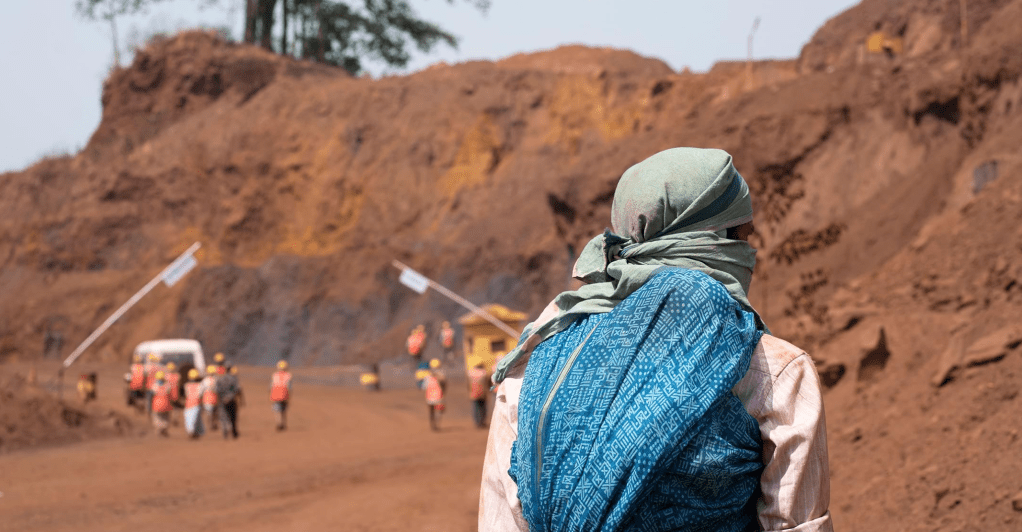
Dasru (Manoj Bajpayee) is part of a tribal resistance that has taken up arms against a ruthless mining company, potentially state backed, which has set its eyes on prising the land away and extracting iron ore. It is land which has been in the hands of the tribals for thousands of years. Dasru’s resistance is complicated by the brutality of their extremist actions which is totalising in its approach to those who join hands with the mining company for their own greed. Not everyone within the tribal community is aligned with armed resistance, choosing to do the company’s bidding such as the son of Phulo Karma (Smita Tambe) who we discover emerges as a minister with political power. Armed political resistance and insurrection comes with a price though, of which Dasru is naively unaware, and ultimately is not prepared to see through his commitments to the cause, fleeing the village with his wife Vaano (Tannishtha Chatterjee) for the city. It is in the concrete construction site where Dasru and Vaano take refuge, ubiquitous with the displaced migratory worker in contemporary independent Indian cinema. Dasru’s complicity in the death of her son is part of a blood lust that consumes Phulo who uses her newfound empowerment to butcher Vaano and launch a manhunt to capture Dasru who goes on the run with his three-month-old baby girl Joram.
While Makhija fixes his gaze on the tribal characters, letting them power forward the narrative, Ratnakar (Zeeshan Ayyub), a police officer, who is assigned to track down Dasru with explicit instructions from his superiors, provides an alternative perspective, empathising with tribal subjugation and seeing at first hand the dehumanization of the tribal community in Jharkhand. In this respect, the casting of a Muslim actor to play Ratnakar is significant since one cannot help but draw the parallel between the accumulative ostracism of both tribals, lower caste and Muslims in contemporary Indian society; does Ratnakar/Zeeshan witness the oppression of his own people and the Muslim community in the bodies of the tribal boys that he frees from the prison?
Makhija’s ending is an appropriately bleak one, full of ambiguity and points to the ways in which capitalist development not only has seen the genocidal erasure of marginalised people and their communities but a destruction that thrives on divide and rule and in which tribal history and power has become a decorative adjunct of the powers that be. Bajpayee’s gut wrenching performance as Dasru reiterates his prowess as one of the best actors of his generation.
 Movie Mahal